


AutomationDirect Warehouse: Modern Solutions Guide
Share on
The automationdirect warehouse approach represents a fundamental shift in how logistics facilities approach automation technology. Rather than investing in expensive, fully customized systems, modern warehouse operators increasingly seek modular, scalable solutions that deliver immediate value while supporting future growth. This evolution reflects broader changes across the warehouse automation industry, where standardisation and configurability now drive decision-making for operations ranging from small distribution centres to large-scale fulfilment facilities.
Understanding AutomationDirect Warehouse Technology
AutomationDirect warehouse solutions encompass a diverse range of control components, sensors, and integration technologies designed specifically for logistics environments. These systems address critical operational challenges including inventory accuracy, throughput optimization, and labour efficiency.
The core value proposition centres on accessibility and practicality. Unlike traditional industrial automation suppliers that require extensive engineering resources and significant capital investment, the automationdirect warehouse model emphasises:
- Pre-configured control systems suitable for common warehouse applications
- Standardised communication protocols enabling easier integration
- Modular hardware components that scale with operational demands
- Transparent pricing structures that simplify budget planning
- Technical documentation designed for implementation teams
Hardware Components in Warehouse Applications
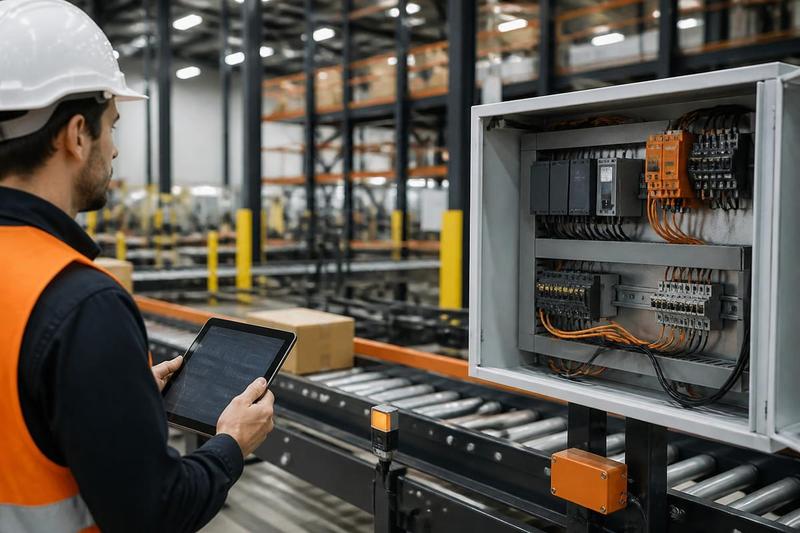
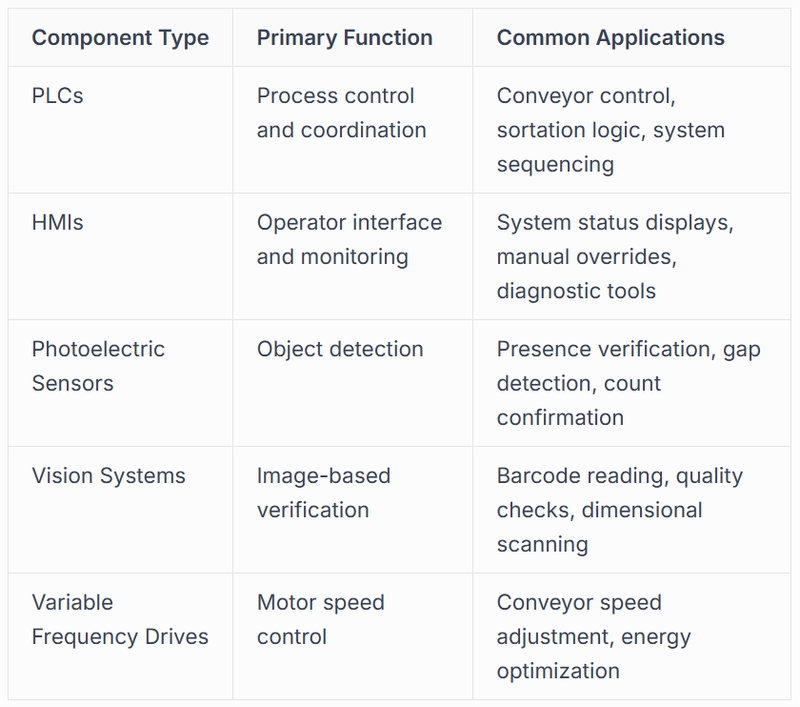
Modern warehouse facilities utilise various automation components to enhance operational efficiency. Programmable logic controllers (PLCs) coordinate conveyor systems, sortation equipment, and automated storage retrieval systems (AS/RS). Human-machine interfaces (HMIs) provide operators with real-time visibility into system performance and enable quick adjustments.
Sensor technology plays an equally critical role in automationdirect warehouse implementations. Photoelectric sensors detect product presence on conveyors, while proximity sensors confirm positioning accuracy. Vision systems verify barcodes and track items through sortation processes, creating the data foundation for warehouse management systems.
Automation Strategies for Distribution Facilities
Implementing automationdirect warehouse technology requires strategic planning aligned with operational objectives. Facilities must evaluate current processes, identify bottlenecks, and prioritise automation investments that deliver measurable returns.
Phased Implementation Approaches
Successful automation projects typically follow phased deployment strategies rather than complete facility transformations. This approach minimises operational disruption while building internal expertise.
Phase One often focuses on discrete improvements: automating manual conveyors, adding barcode scanning at verification stations, or implementing pick-to-light systems in high-velocity zones. These projects deliver quick wins that demonstrate value and build organizational confidence.
Phase Two expands automation into more complex processes. Sortation systems organize outbound shipments by carrier or route. Automated storage systems increase density in reserve areas. Integration between warehouse management software and control systems creates seamless information flow.
Phase Three represents advanced automation incorporating robotics, artificial intelligence, and predictive analytics. Autonomous robotics continues advancing, with 2026 bringing practical improvements in flexibility and interoperability that benefit warehouse environments.
The automationdirect warehouse philosophy aligns well with phased approaches because standardised components reduce implementation complexity at each stage.
Integration Challenges and Solutions
System integration represents one of the most significant challenges in warehouse automation projects. Legacy equipment, diverse communication protocols, and complex software environments create technical obstacles that impact project timelines and budgets.
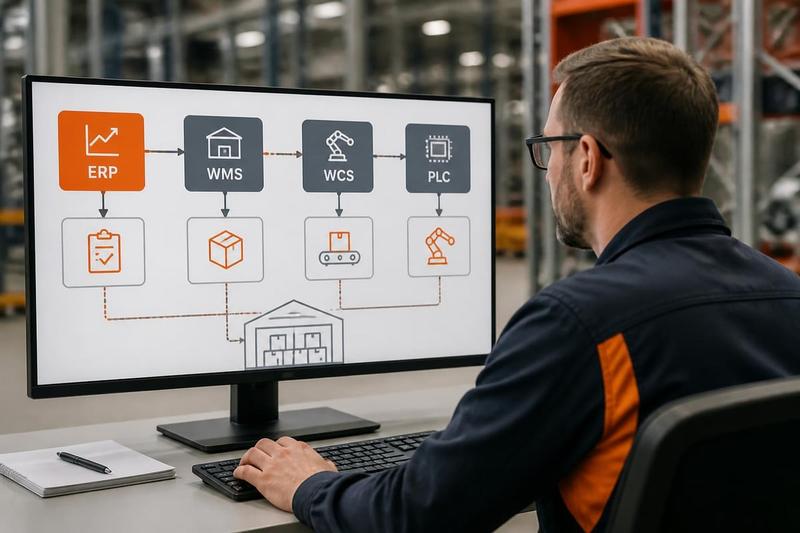
Modern warehouse operations typically involve multiple technology layers:
- Enterprise resource planning (ERP) systems managing inventory and orders
- Warehouse management systems (WMS) directing operational workflows
- Warehouse control systems (WCS) coordinating material handling equipment
- Programmable logic controllers executing real-time equipment control
Achieving seamless data flow across these layers requires careful protocol selection and middleware configuration. Industrial Ethernet protocols like EtherNet/IP and Modbus TCP have become standard in automationdirect warehouse deployments, providing reliable communication between control systems and higher-level software platforms.
Data Standardization Requirements
Successful integration depends on consistent data formatting across systems. Product identifiers, location codes, and status indicators must maintain uniform structure as information flows between platforms. This standardization enables automation systems to make accurate decisions without human intervention.
The shift towards standardized warehouse automation systems has simplified integration requirements significantly. Rather than custom-engineering every interface, modern automationdirect warehouse implementations leverage pre-built connectivity modules that reduce programming requirements and accelerate deployment timelines.
Scalability Considerations for Growing Operations
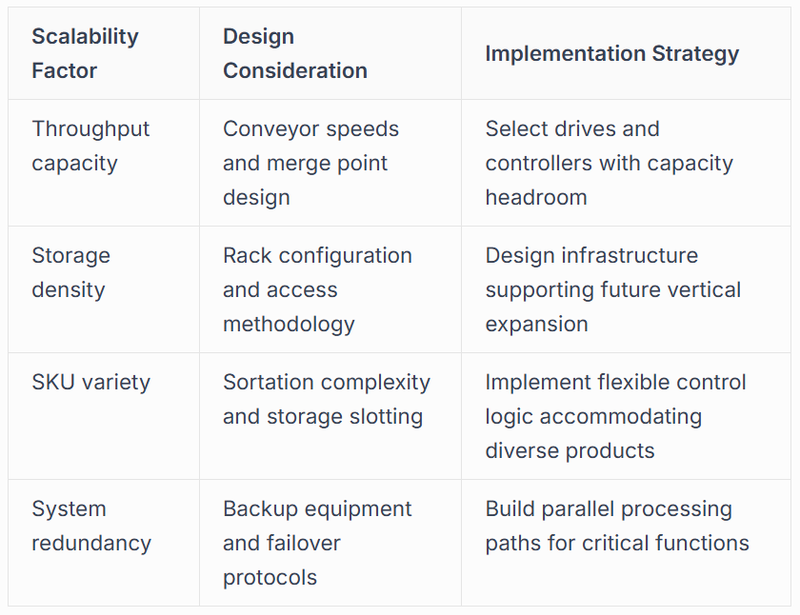
Warehouse operations face constant pressure to accommodate volume growth, expanded product portfolios, and evolving service requirements. Automation infrastructure must scale efficiently without requiring complete system replacements.
Modular system design provides the foundation for scalable automation. Rather than implementing monolithic solutions, forward-thinking facilities build automationdirect warehouse systems using discrete functional modules that can be replicated or expanded.
For businesses seeking an accessible entry point into warehouse automation, the Automate-X GTP Starter Grid offers a unique approach designed specifically for small and medium operations. This goods-to-person system provides a low-cost pathway to automating picking processes while maintaining the flexibility to expand as operational demands increase.
Planning for Future Capacity
Effective scalability planning requires understanding both current operational metrics and anticipated growth trajectories. Facilities should document:
- Current throughput rates across receiving, storage, picking, and shipping zones
- Peak demand multipliers during seasonal or promotional periods
- SKU complexity trends including product dimensions and handling requirements
- Service level expectations from customers and trading partners
- Available capital budgets for incremental automation investments
This data informs automation architecture decisions, ensuring automationdirect warehouse implementations can accommodate growth without fundamental redesign.
Labour Optimization Through Automation
Labour shortages continue driving technology adoption across the warehouse automation industry, with facilities struggling to maintain adequate staffing levels for manual operations. AutomationDirect warehouse solutions address this challenge by reducing reliance on repetitive manual tasks while redirecting workforce capacity toward higher-value activities.
Effective labour optimization balances automation investment with workforce development. Rather than viewing technology as workforce replacement, successful facilities implement automationdirect warehouse systems that augment human capabilities.
Pick-assist technologies exemplify this balanced approach. Rather than fully automated picking robots, many facilities implement voice-directed picking, pick-to-light systems, or mobile scanning devices that guide workers through optimized pick paths while maintaining human decision-making for complex situations.
Training and Change Management
Technology implementation success depends heavily on workforce adoption. Operators must understand new systems, trust automated processes, and develop troubleshooting skills that maintain operational continuity.
Comprehensive training programmes should address:
- System operation fundamentals explaining how automation improves workflows
- Interface navigation for HMIs and control terminals
- Basic troubleshooting procedures enabling operators to resolve common issues
- Safety protocols surrounding automated equipment
- Performance metrics demonstrating individual and team contributions
The importance of balancing efficiency with workforce considerations becomes increasingly critical as automation sophistication advances. Facilities implementing automationdirect warehouse technology must ensure that efficiency gains complement rather than replace human expertise.
Maintenance Strategies for Automated Systems
Automation reliability directly impacts operational performance. Equipment failures disrupt workflows, create bottlenecks, and erode the economic benefits that justified initial investments. Proactive maintenance strategies preserve automationdirect warehouse system performance while extending equipment lifespan.
Modern maintenance approaches incorporate predictive analytics, standardised procedures, and strategic spare parts inventory management. Sensors monitor equipment conditions continuously, identifying developing issues before failures occur.
Preventive Maintenance Scheduling
Structured maintenance schedules ensure critical components receive regular attention:
- Daily inspections verify basic functionality and identify obvious issues
- Weekly servicing addresses wear items on high-utilization equipment
- Monthly calibrations maintain sensor accuracy and positioning precision
- Quarterly reviews assess overall system performance and identify improvement opportunities
- Annual overhauls provide comprehensive equipment refurbishment
Documentation standards ensure maintenance activities generate actionable insights. Recording component replacement dates, failure modes, and performance trends enables continuous improvement in maintenance practices.
Technology Trends Shaping Warehouse Automation
The warehouse automation landscape continues evolving rapidly, with several trends fundamentally altering how facilities approach automation investment. Four key trends are shaping warehouse automation, including enhanced scalability and artificial intelligence integration.
Artificial Intelligence and Machine Learning
AI technologies increasingly influence automationdirect warehouse operations through:
- Demand forecasting that optimizes inventory positioning
- Route optimization improving picker productivity
- Predictive maintenance preventing unexpected equipment failures
- Quality control using computer vision to verify product conditions
- Dynamic slotting continuously adjusting storage locations based on velocity patterns
These capabilities transform static automation systems into adaptive operations that respond intelligently to changing conditions.
Robot-Centric Warehouse Design
Gartner predicts that robots will dominate workload handling in 50% of new warehouses by 2030. This shift requires fundamentally different facility designs optimized for robotic navigation and task execution rather than human workflows.
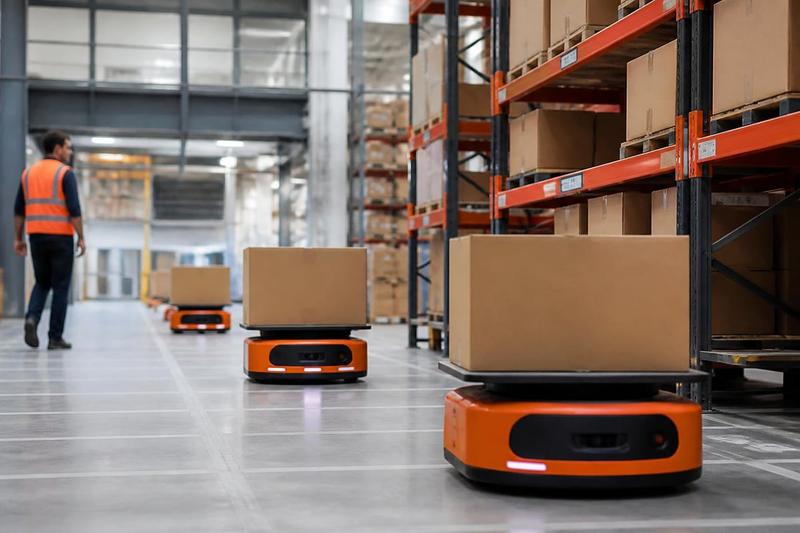
AutomationDirect warehouse implementations increasingly incorporate robotic elements including autonomous mobile robots (AMRs) for horizontal transport, robotic picking systems for order fulfilment, and automated loading systems for trailer operations.
Investment Analysis and ROI Calculation
Justifying automation investments requires rigorous financial analysis comparing capital expenditures against operational savings and productivity improvements. AutomationDirect warehouse projects typically deliver returns through multiple value streams.
Direct labour savings represent the most straightforward benefit calculation. Automated systems reduce headcount requirements for specific tasks, generating ongoing savings that compound over project lifespans.
Productivity improvements increase throughput without proportional cost increases. Facilities process more orders with existing infrastructure, improving asset utilization and enabling revenue growth.
Accuracy improvements reduce costs associated with shipping errors, returns processing, and customer service interventions. Enhanced inventory accuracy minimizes write-offs and stockout situations.
Safety enhancements decrease workplace injuries and associated costs including workers' compensation claims, lost time, and regulatory compliance issues.
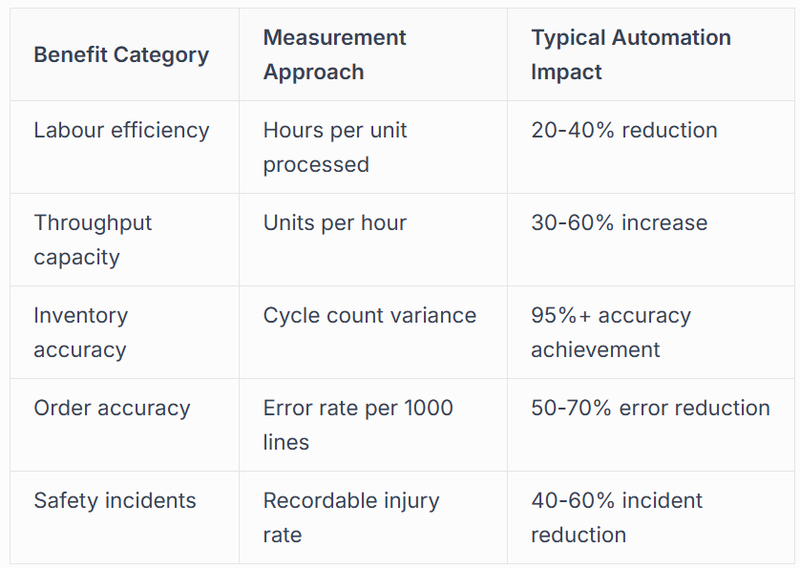
Successful facilities track these metrics before and after automationdirect warehouse implementations, validating projected returns and identifying opportunities for further optimization.
Case Study Applications Across Industries
Different industry sectors derive unique value from warehouse automation based on their specific operational characteristics and competitive pressures. Understanding sector-specific applications helps facilities identify relevant technology strategies.
E-commerce and Third-Party Logistics
E-commerce operations face extreme volume volatility, SKU proliferation, and demanding service level expectations. AutomationDirect warehouse solutions address these challenges through sortation systems managing complex order profiles and goods-to-person technologies reducing pick times for high-volume SKUs.
Real-world implementations like those at Wineworks demonstrate how automation transforms fulfillment operations, enabling businesses to scale efficiently while maintaining service quality.
Food and Beverage Distribution
Temperature-controlled environments create unique automation challenges. Equipment must function reliably in cold-storage conditions while maintaining food safety standards. Automated systems minimize door openings, reducing energy costs and temperature fluctuations.
Companies like Tip Top Ice Cream benefit from automation solutions designed specifically for frozen food distribution requirements, combining throughput efficiency with strict quality control protocols.
Pharmaceutical Logistics
Pharmaceutical warehouses require absolute accuracy, traceability, and security. AutomationDirect warehouse implementations in this sector emphasize verification technologies including barcode scanning, weight verification, and serialization tracking that ensure regulatory compliance while maintaining operational efficiency.
Global Investment Trends
Warehouse automation investments continue accelerating globally, with significant projects like GreenBox Systems' $144 million automated warehouse in Georgia illustrating the scale of infrastructure commitments. These investments reflect confidence in automation's long-term value proposition and growing recognition that competitive logistics operations require advanced technology.
Market dynamics including e-commerce growth and Asian logistics operators leasing U.S. warehouses demonstrate the global nature of warehouse automation trends. Facilities worldwide face similar pressures around labour availability, customer expectations, and operational efficiency.
The automationdirect warehouse approach provides a practical framework for participating in this automation evolution without requiring enterprise-scale capital budgets. By focusing on standardized components, modular architectures, and phased implementation strategies, facilities of all sizes can access automation benefits previously available only to large operators.
System Selection and Vendor Evaluation
Choosing appropriate automation technology requires structured evaluation processes that assess technical capabilities, vendor support quality, and long-term partnership potential. AutomationDirect warehouse projects succeed when facility teams conduct thorough due diligence before committing to specific solutions.
Critical evaluation criteria include:
- Technical compatibility with existing infrastructure and software systems
- Scalability supporting anticipated growth trajectories
- Vendor stability ensuring ongoing support availability
- Documentation quality enabling internal team competency development
- Spare parts availability minimizing downtime risks
- Training resources building operational expertise
- Reference installations demonstrating proven performance in similar applications
Facilities should request detailed proposals including system specifications, implementation timelines, training provisions, and support commitments. Comparing multiple approaches reveals optimal solutions balancing performance requirements against budget constraints.
Modern warehouse operations increasingly recognize that automation success depends not on implementing the most advanced technology, but rather on selecting solutions aligned with specific operational requirements and organizational capabilities. The automationdirect warehouse approach emphasises practical, scalable automation that delivers measurable value while supporting long-term growth. If you're ready to transform your warehouse operations with intelligent automation solutions tailored to your unique requirements, Automate-X combines modern robotics, advanced software, and expert system integration to streamline your logistics operations and enable sustainable competitive advantage.