

ASRS Manufacturing: Automation for Modern Warehouses
Share on
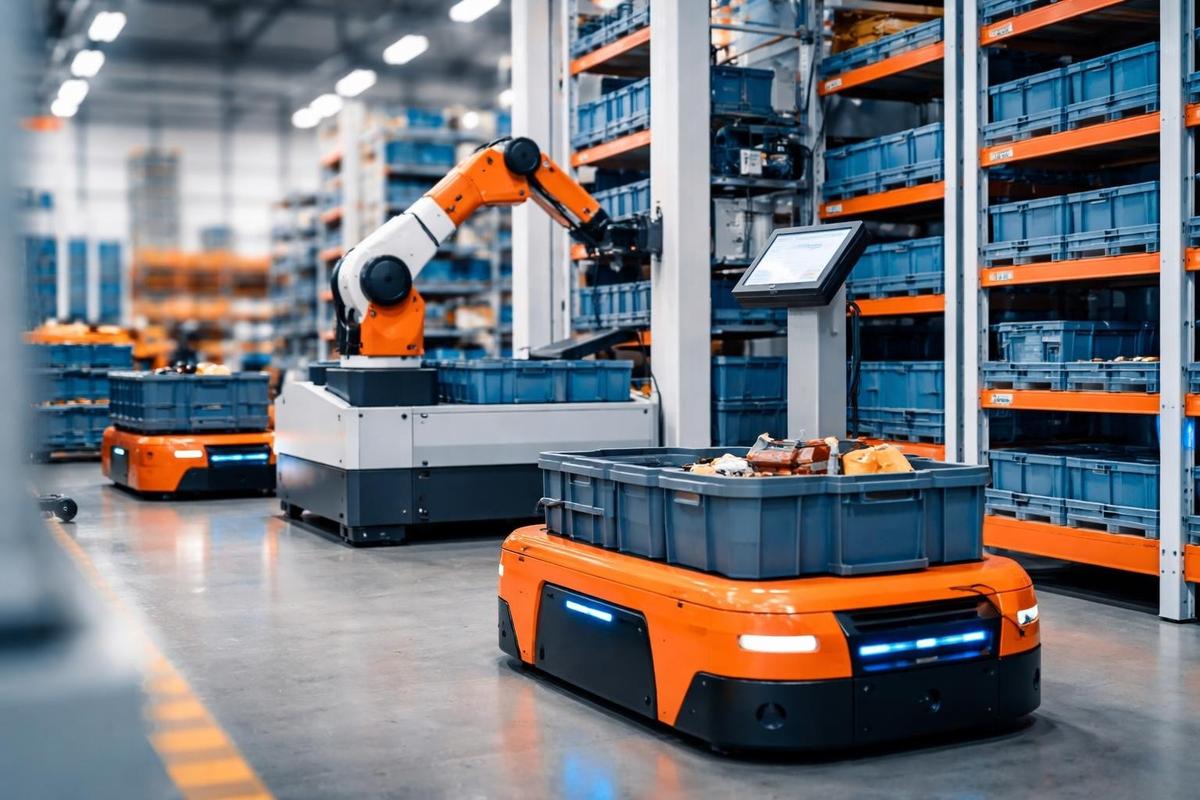
Manufacturing and logistics environments face mounting pressure to maximise space utilisation, reduce labour costs, and accelerate order fulfilment cycles. Automated Storage and Retrieval Systems (ASRS) have emerged as a cornerstone technology that addresses these operational challenges through intelligent automation. By combining sophisticated software controls with precision robotics and material handling equipment, asrs manufacturing solutions deliver measurable improvements in storage density, picking accuracy, and throughput capacity across diverse industrial applications.
Understanding ASRS Technology in Manufacturing Environments
ASRS manufacturing represents a comprehensive approach to warehouse automation that eliminates manual storage and retrieval processes. These systems employ computer-controlled mechanisms to automatically place inventory into designated storage locations and retrieve items when needed for production or order fulfilment.
The fundamental architecture of automated storage and retrieval systems includes several integrated components working in concert. Storage structures form the physical framework, typically comprising high-density racking systems engineered to maximise vertical space utilisation. Retrieval mechanisms, ranging from stacker cranes to shuttle systems, navigate this infrastructure with precision positioning capabilities.
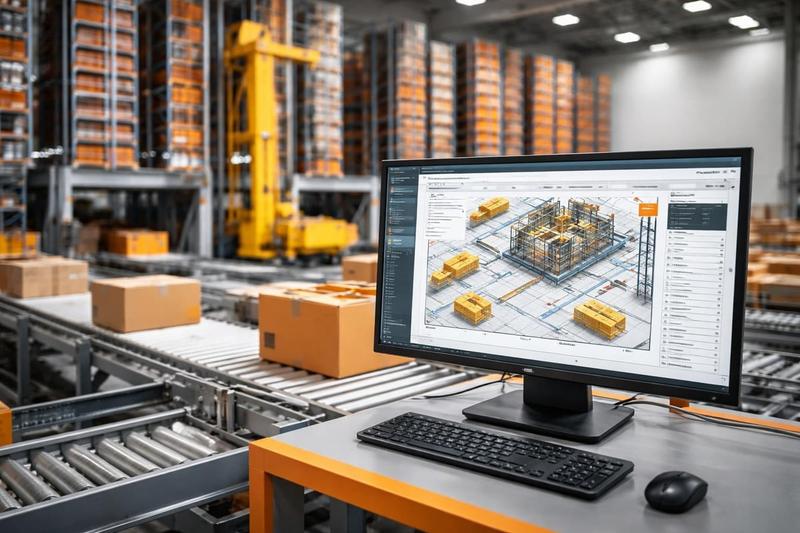
Warehouse management software serves as the central intelligence layer, orchestrating inventory movements and optimising storage algorithms. Modern systems incorporate real-time data analytics and predictive algorithms that determine optimal storage locations based on product velocity, dimensions, and picking frequency.
Key Components That Drive ASRS Performance
Multiple technology elements combine to create effective asrs manufacturing installations:
- Stacker cranes: Automated vertical lifting mechanisms that move along fixed rails to access storage positions at various heights
- Shuttle systems: Independent carriers that transport loads horizontally within storage channels
- Conveyors: Material handling equipment that connects ASRS units with picking stations and dispatch areas
- Control software: Warehouse execution systems that manage inventory logic, task prioritisation, and equipment coordination
- Load handling devices: Specialised fixtures including forks, extractors, and vacuum systems designed for specific product types
The integration methodology determines overall system performance. Engineers must account for throughput requirements, inventory characteristics, building constraints, and future scalability when specifying ASRS configurations.
ASRS Manufacturing Applications Across Industries
Different sectors leverage asrs manufacturing technology to address industry-specific operational requirements. The versatility of automated storage systems enables customisation for diverse product types, environmental conditions, and workflow patterns.
E-commerce and Third-Party Logistics
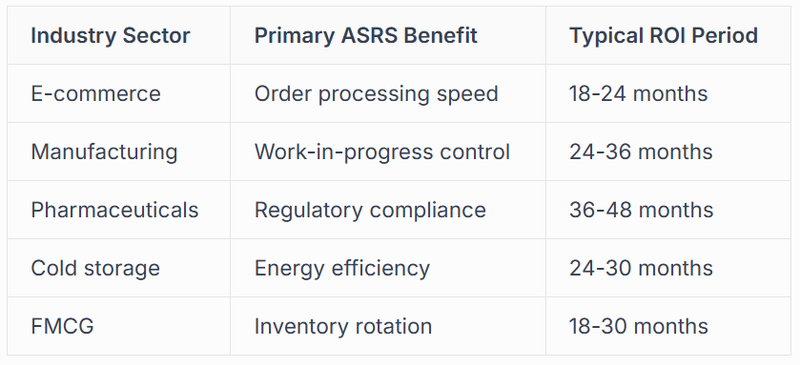
Online retail fulfilment demands rapid order processing with high accuracy rates. ASRS installations support goods-to-person workflows that eliminate travel time for warehouse operators. Systems retrieve entire totes or cartons to ergonomic picking stations, where workers process multiple orders simultaneously.
Third-party logistics providers benefit from the flexibility to manage inventory for multiple clients within shared infrastructure. Advanced warehouse management systems maintain virtual segregation whilst optimising physical storage density across combined inventory pools.
Manufacturing and Production Environments
Production facilities implement asrs manufacturing solutions to manage raw materials, work-in-progress inventory, and finished goods. Automated systems maximise storage density in constrained manufacturing footprints whilst ensuring material availability for production lines.
Just-in-time manufacturing philosophies rely on precise inventory control and predictable material delivery. ASRS technology provides the reliability and accuracy necessary to support lean production methodologies without safety stock buffers.
Food and beverage operations face unique challenges with date-sensitive inventory and strict rotation requirements. Automated systems enforce first-expired-first-out logic automatically, reducing waste from expired products whilst maintaining compliance with food safety regulations.
Design Considerations for ASRS Manufacturing Systems
Successful implementations require thorough analysis of operational requirements and facility constraints. The design process encompasses multiple technical disciplines including structural engineering, electrical systems, software architecture, and material handling expertise.
Capacity Planning and Throughput Analysis
Sizing an asrs manufacturing installation begins with detailed data collection about inventory characteristics and movement patterns. Engineers analyse SKU profiles, order composition, velocity distributions, and seasonal fluctuations to determine storage capacity requirements.
Throughput specifications define the number of storage and retrieval transactions the system must handle during peak operating periods. This analysis accounts for:
- Inbound receiving volumes and timing patterns
- Production withdrawal requirements and sequencing
- Order fulfilment transaction rates and wave picking schedules
- Replenishment cycles between bulk storage and active picking zones
- Returns processing and reverse logistics flows
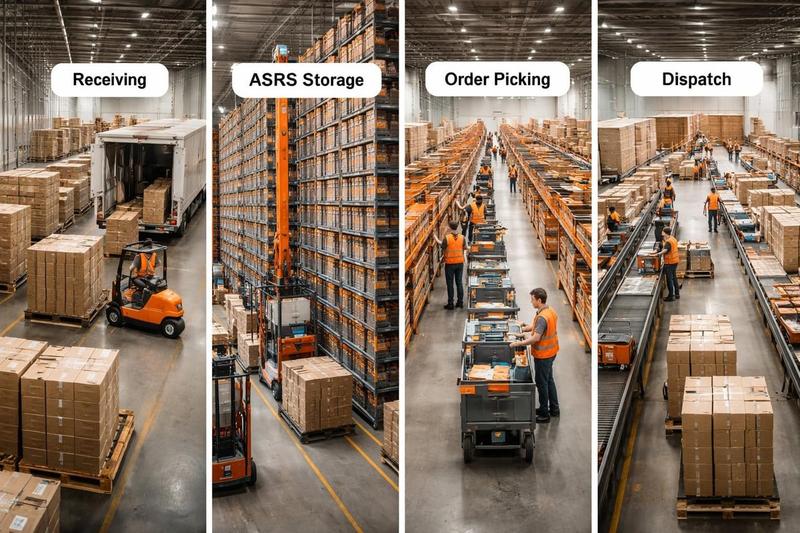
The integration of various ASRS technologies such as conveyors, automated guided vehicles, and shuttle systems creates seamless material flow between warehouse zones. Transfer points require careful coordination to prevent bottlenecks and maintain system-wide throughput targets.
Storage Density Optimization
Vertical space utilisation represents one of the most significant advantages of asrs manufacturing technology. Modern systems routinely achieve storage heights exceeding 30 metres within appropriate building structures, dramatically increasing storage capacity per square metre of floor space.
Cube utilisation extends beyond simple height considerations. Advanced slotting algorithms position inventory based on dimensional characteristics, ensuring optimal space allocation for products of varying sizes. Dynamic slotting continuously adjusts storage locations as demand patterns evolve, maintaining efficiency over time.
Technology Selection and System Types
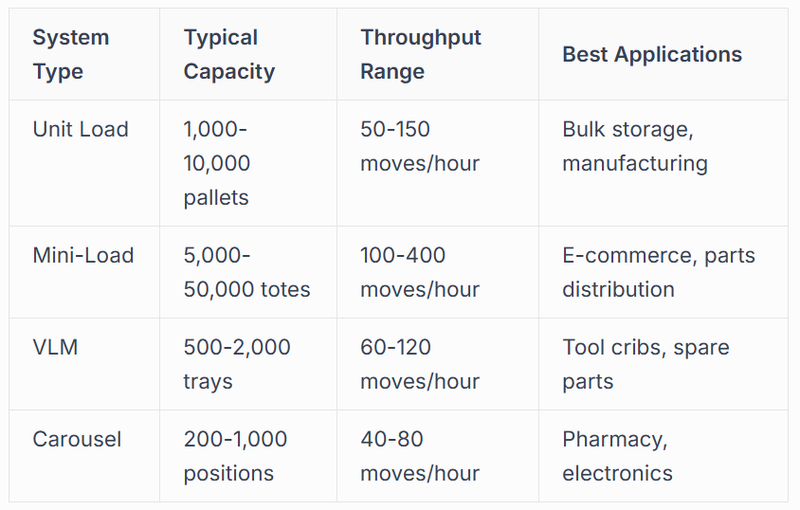
Multiple asrs manufacturing configurations address different operational requirements and budget constraints. Understanding the strengths and limitations of each technology guides appropriate system selection.
Unit Load ASRS
Unit load systems handle pallets or large containers as complete loads. Stacker cranes travel on rails between storage aisles, lifting loads to storage positions and retrieving them for outbound shipment or production supply.
These installations excel in operations with high pallet volumes and moderate SKU counts. The technology provides excellent storage density for full pallet quantities whilst maintaining reasonable throughput rates for facilities processing hundreds of pallets daily.
Mini-Load and Tote Systems
Mini-load configurations manage smaller containers, totes, or carton quantities. These systems support enhanced order fulfilment accuracy through goods-to-person workflows and pick-to-light technologies.
The compact footprint and rapid cycle times make mini-load systems ideal for facilities with diverse SKU profiles and frequent small-quantity picks. Integration with automated picking technologies creates highly efficient order consolidation processes.
Vertical Lift Modules and Carousels
Vertical lift modules deliver stored trays to operators at ergonomic access heights. Enclosed designs protect inventory from dust and environmental factors whilst securing valuable products.
Horizontal and vertical carousels bring stored items to picking positions through continuous rotation. These technologies suit operations with moderate throughput requirements and limited floor space availability.
Implementation Strategies and Integration
Deploying asrs manufacturing solutions requires methodical project management and coordination across multiple stakeholders. The implementation timeline typically spans 12 to 24 months from initial concept through full operational acceptance.
Project Phases and Milestones
Requirements definition establishes the functional specifications and performance targets that guide system design. This phase involves detailed operational assessments, data collection, and stakeholder workshops to align expectations.
System design transforms requirements into technical specifications, including equipment selections, layout drawings, software configurations, and interface definitions. Engineers develop simulation models to validate throughput capacity and identify potential bottlenecks before construction begins.
Installation activities must coordinate with ongoing warehouse operations to minimise disruption. Phased implementations allow portions of the facility to continue operating whilst construction progresses in segregated areas.
Software Integration and Data Management
Modern asrs manufacturing installations depend on seamless integration between automation controls and enterprise software systems. Warehouse management systems provide the intelligence layer that coordinates inventory movements, whilst warehouse control systems translate high-level commands into specific equipment instructions.
The Automate-X platform demonstrates how integrated software architecture connects robotics, warehouse management, and business intelligence tools. This unified approach eliminates data silos and provides real-time visibility across warehouse operations.
For businesses seeking to begin their automation journey without extensive capital investment, scalable entry solutions provide practical pathways to implementing asrs manufacturing technology. The Automate-X Goods-to-person Starter Grid offers small and medium enterprises in Australia and New Zealand an accessible approach to warehouse automation that delivers measurable productivity gains whilst establishing the foundation for future expansion.
Performance Metrics and Operational Benefits
Quantifying asrs manufacturing value requires establishing clear performance indicators and measurement methodologies. Successful implementations deliver improvements across multiple operational dimensions.
Storage and Space Efficiency
Automated systems typically achieve 40 to 60 percent reduction in warehouse footprint requirements compared to conventional storage methods. This space efficiency translates directly to reduced building costs, lower property taxes, and decreased climate control expenses.
Storage density improvements stem from multiple factors:
- Narrower aisle widths than required for forklift operation
- Higher vertical reach than manual picking equipment
- Elimination of safety clearances around manual work zones
- Optimised slot sizing based on actual product dimensions
Labour Productivity and Accuracy
Asrs manufacturing technology fundamentally changes workforce deployment patterns. Rather than travelling throughout the warehouse to pick orders, operators remain at ergonomic workstations where automated systems deliver required inventory.
This goods-to-person methodology increases picking rates from typical manual performance of 60 to 100 lines per hour to automated rates exceeding 200 to 400 lines per hour per operator. Reduced travel time accounts for the majority of productivity gains.
Picking accuracy improves dramatically through several mechanisms. Light-directed picking guides operators to correct storage locations and quantities. Barcode verification confirms product identity before order completion. Automated systems eliminate the confusion and errors common in large manual warehouses with similar-appearing products or packaging.
Maintenance and Lifecycle Management
Sustained performance from asrs manufacturing installations requires proactive maintenance programmes and continuous optimisation efforts. Well-maintained systems routinely operate for 20 to 30 years with appropriate upgrades and component replacements.
Preventive Maintenance Protocols
Automated equipment demands regular inspection and maintenance to prevent unexpected failures. Comprehensive programmes address mechanical components, electrical systems, and software elements:
- Daily operational checks verify sensor functionality and alignment
- Weekly lubrication services maintain moving components
- Monthly comprehensive inspections assess wear patterns and identify developing issues
- Quarterly deep maintenance includes detailed component testing and calibration
- Annual system audits evaluate overall performance and identify upgrade opportunities
Predictive maintenance capabilities leverage sensor data and analytics to identify potential failures before they occur. Vibration monitoring, temperature sensing, and performance tracking provide early warning of degrading components, allowing scheduled replacement during planned maintenance windows rather than disruptive emergency repairs.
Technology Refresh and Upgrades
Various ASRS configurations evolve as new technologies emerge and operational requirements change. Modular system architectures facilitate incremental upgrades without complete replacement.
Software updates deliver new functionality and performance improvements throughout system lifecycles. Cloud-based architectures simplify deployment of enhanced algorithms and features developed after initial installation.
Mechanical component upgrades extend system capabilities and capacity. Additional storage modules expand inventory positions. Faster retrieval mechanisms increase throughput. Enhanced load handling devices accommodate new product types or packaging formats.
Safety and Compliance Considerations
Asrs manufacturing environments present unique safety requirements due to the combination of automated equipment and human workers. Comprehensive safety systems protect personnel whilst maintaining operational efficiency.
Safety barriers physically segregate automated zones from areas with worker access. Interlocked gates prevent entry whilst equipment operates. Emergency stop systems provide multiple means to halt automated functions when necessary.
Regulatory compliance requirements vary by industry and jurisdiction. Pharmaceutical operations must validate automated systems to demonstrate consistent performance and inventory accuracy for regulatory inspections. Food and beverage facilities implement sanitary designs that facilitate cleaning and prevent contamination.
Cold storage environments demand specialised equipment rated for sustained operation at sub-zero temperatures. Automated vertical storage systems designed for cold chain applications incorporate heating elements, insulation, and materials suitable for extreme temperature ranges.
Future Developments in ASRS Manufacturing
Ongoing technological advancement continues to expand the capabilities and applications of asrs manufacturing solutions. Several emerging trends promise to reshape warehouse automation over the coming years.
Artificial intelligence and machine learning algorithms increasingly influence system operation and optimisation. These technologies analyse historical patterns to predict demand, optimise storage locations dynamically, and schedule maintenance activities proactively.
Collaborative robotics introduces flexible automation that works safely alongside human operators. Unlike traditional industrial robots operating in segregated cells, collaborative systems incorporate advanced sensing and control logic that allows direct human interaction.
Internet of Things connectivity transforms isolated automated systems into networked infrastructure that shares data and coordinates activities across entire supply chains. Real-time visibility enables proactive exception management and improved decision-making throughout logistics networks.
Sustainability considerations drive innovation in energy-efficient designs and regenerative systems that capture energy from lowering loads. Lightweight materials reduce power consumption whilst maintaining structural integrity and operational performance.
ASRS manufacturing technology delivers transformative improvements in storage density, operational efficiency, and inventory accuracy across logistics and production environments. The combination of proven reliability, measurable ROI, and ongoing technological advancement makes automated storage and retrieval systems a strategic investment for businesses seeking sustainable competitive advantages. Automate-X combines intelligent warehouse automation solutions with comprehensive implementation expertise to help logistics and supply chain businesses throughout Australia and New Zealand achieve their operational goals through robotics, software integration, and scalable automation platforms designed for long-term success.