

ASRS Integrator Australia: Complete 2026 Guide
Share on
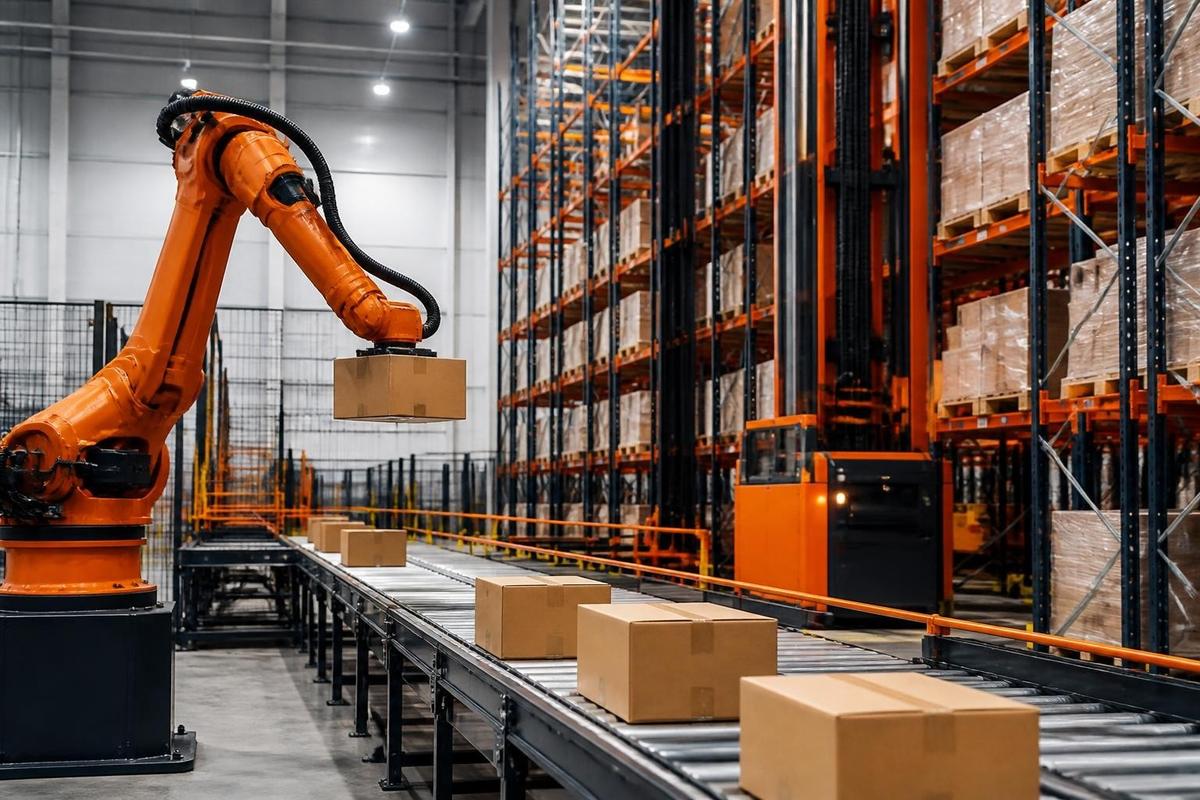
The Australian warehouse automation landscape has evolved dramatically, with businesses across logistics, e-commerce, and manufacturing sectors increasingly turning to automated storage and retrieval systems (ASRS) to address operational challenges. Selecting the right asrs integrator australia is a critical decision that influences everything from warehouse throughput to long-term scalability. As supply chain complexity increases and labour costs rise throughout 2026, businesses need partners who can deliver comprehensive integration expertise, combining robotics, software, and operational knowledge to create truly intelligent warehouse environments.
Understanding ASRS Integration in Australian Warehouses
An asrs integrator australia brings together multiple technological components to create seamless automated storage and retrieval operations. These specialists manage the complex process of implementing robotic systems, warehouse management software, material handling equipment, and control systems into a unified operational framework.
The integration process extends far beyond simply installing equipment. Professional integrators conduct detailed site assessments, analyse existing workflows, design custom solutions, and ensure seamless communication between all system components. They bridge the gap between hardware manufacturers and operational reality, translating business requirements into functional automated systems.
Core Components of ASRS Integration
Modern ASRS implementations require coordination across several critical technology layers:
- Warehouse management systems (WMS) that orchestrate inventory movement and storage decisions
- Warehouse control systems (WCS) that direct automated equipment in real-time
- Robotic storage and retrieval machines including shuttles, cranes, and mobile robots
- Racking infrastructure designed specifically for automated operations
- Safety systems ensuring human-machine interaction remains secure
- Data integration connecting ASRS with enterprise resource planning (ERP) systems
The sophistication of these components demands integrators with deep technical knowledge across robotics, software engineering, and warehouse operations. Automated storage and retrieval systems have become increasingly complex, requiring specialists who understand both the technology and the unique operational challenges Australian businesses face.
Key Capabilities of Leading ASRS Integrators
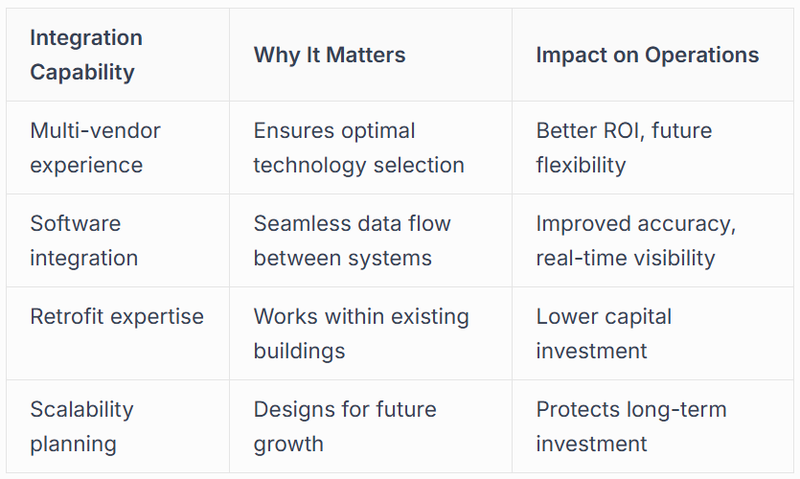
When evaluating an asrs integrator australia, businesses should assess capabilities across multiple dimensions. Technical competence represents just one aspect of successful integration partnerships.
Technical Expertise and System Knowledge
Top integrators maintain relationships with multiple ASRS manufacturers, providing clients with vendor-neutral advice. This independence ensures recommendations align with actual operational requirements rather than specific product lines. Integrators should demonstrate experience with various ASRS technologies, from unit-load systems handling pallets to mini-load solutions for cartons and totes.
Understanding of goods-to-person automation principles is essential, as modern ASRS implementations increasingly incorporate these workflow optimisation strategies. The ability to integrate industrial robotics alongside storage systems creates comprehensive automation solutions that address both storage density and order fulfilment speed.
Project Management and Implementation
Successful ASRS deployments require meticulous project management. Professional integrators employ structured methodologies that minimize operational disruption during installation and commissioning. They coordinate between equipment suppliers, construction contractors, software developers, and warehouse operations teams to ensure timely delivery.
Risk management capabilities separate exceptional integrators from average ones. The ability to anticipate challenges, develop contingency plans, and navigate unexpected complications keeps projects on schedule and within budget. Look for integrators who provide detailed project timelines, clear milestone definitions, and transparent communication throughout implementation.
ASRS Technology Options for Australian Operations
The Australian market offers access to diverse ASRS technologies, each suited to specific operational profiles. Understanding these options helps businesses make informed decisions when working with integrators.
High-Density Storage Solutions
For warehouses prioritizing storage density, several ASRS configurations deliver exceptional cube utilisation:
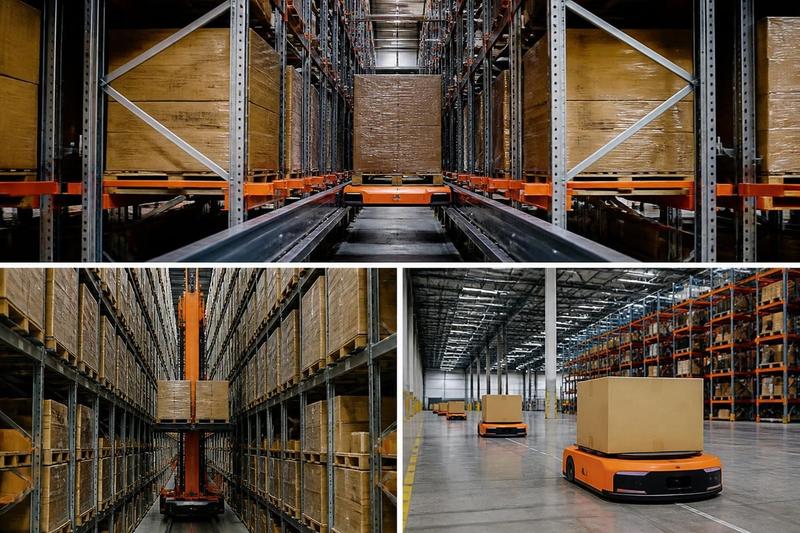
- Shuttle-based systems that use multi-directional robots to move pallets or totes within racking structures
- Crane-based AS/RS featuring tall automated cranes retrieving inventory from high-bay storage
- Four-way shuttle systems enabling movement in all horizontal and vertical directions
- Vertical lift modules maximizing storage in limited floor space through vertical automation
These systems particularly benefit operations in Australian metropolitan areas where real estate costs justify investment in vertical storage density. ASRS racking systems from established suppliers provide the structural foundation for these automated solutions, designed to withstand the precision requirements of robotic operations.
Flexible Automation Approaches
Not every operation requires maximum density. Some businesses prioritize flexibility, throughput, or the ability to handle diverse product ranges. For these requirements, alternative ASRS approaches deliver better outcomes:
- Mobile robot ASRS using autonomous vehicles to transport inventory within structured storage areas
- Modular shuttle systems allowing incremental capacity expansion
- Hybrid solutions combining automated storage with manual picking zones
- Pallet shuttle systems balancing automation benefits with lower capital investment
Understanding which technology aligns with specific operational requirements represents a core competency of experienced integrators. They assess factors including SKU velocity, order profiles, product characteristics, and growth projections to recommend appropriate solutions.
Industry-Specific ASRS Applications in Australia
An experienced asrs integrator australia understands the unique requirements across different industry sectors. What works brilliantly for e-commerce fulfillment may prove unsuitable for pharmaceutical distribution or cold storage operations.
E-commerce and 3PL Operations
Third-party logistics providers and e-commerce fulfillment operations face extreme pressure to reduce order cycle times while managing increasing SKU complexity. ASRS solutions for these environments emphasize throughput and order accuracy.
Warehouse automation technologies designed for e-commerce integrate ASRS with automated picking systems, creating comprehensive fulfillment solutions. Carton and tote ASRS configurations particularly suit these operations, with specialized systems providing high-speed storage and retrieval for smaller inventory units.
Manufacturing and FMCG
Manufacturing environments and fast-moving consumer goods operations require ASRS solutions that support production schedules and manage raw materials alongside finished goods. Integration with manufacturing execution systems (MES) becomes critical in these applications.
Buffer storage capabilities, production line sequencing, and just-in-time inventory delivery represent key functional requirements. ASRS integrators working in manufacturing must understand production workflow, not just storage optimization.
Cold Storage and Pharmaceuticals
Temperature-controlled environments present unique challenges for automation. Equipment must function reliably in extreme temperatures, while minimizing heat generation that increases cooling costs. Pharmaceutical applications add regulatory compliance requirements around product traceability and storage conditions.
Integrators specializing in these sectors design systems that maintain product integrity while delivering the efficiency benefits of automation. Experience with Good Distribution Practice (GDP) compliance and temperature monitoring integration proves essential for pharmaceutical ASRS implementations.
Integration Process and Timeline Considerations
Understanding what to expect during ASRS integration helps businesses plan appropriately and set realistic expectations. The integration journey typically spans several distinct phases, each with specific deliverables and duration.
Assessment and Design Phase
Professional integrators begin with comprehensive operational analysis. This phase typically requires 4-8 weeks and includes:
- Current state workflow mapping and performance baseline establishment
- Future state operational requirements definition
- Throughput modeling and capacity planning
- Technology evaluation and vendor selection
- Conceptual system design and layout planning
- Return on investment analysis and business case development
The assessment phase establishes the foundation for successful implementation. Rushing through this stage to accelerate timelines almost always creates problems during later phases.
Detailed Engineering and Procurement
Once the conceptual design receives approval, integrators develop detailed engineering specifications. This phase involves creating exact equipment specifications, software requirements, facility modifications, and integration protocols.
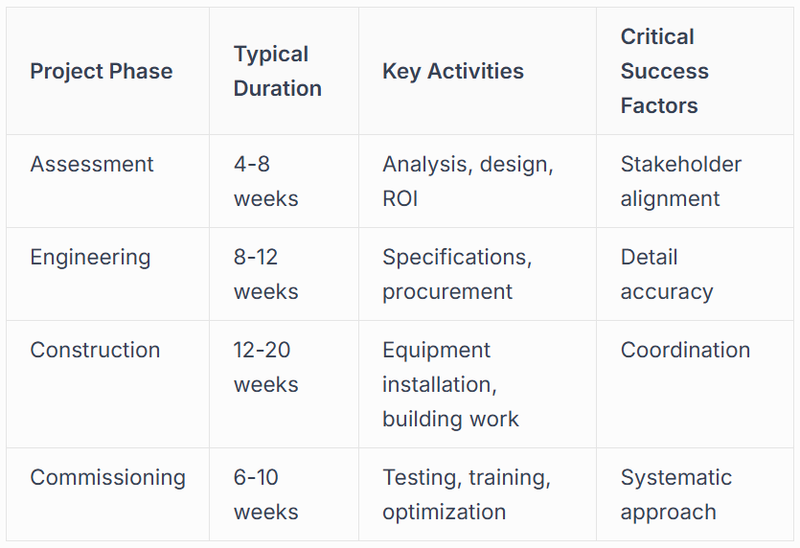
Procurement of long-lead items begins during this phase. Equipment manufacturing timelines can extend 16-24 weeks for complex ASRS components, making early ordering critical to project schedules.
Installation and Commissioning
Physical installation transforms designs into operational systems. The asrs integrator australia coordinates equipment delivery, installation sequencing, and construction activities. Many implementations occur in operating warehouses, requiring careful planning to minimize operational disruption.
Commissioning represents the most critical phase, where theoretical designs meet operational reality. Systematic testing, from individual component verification through full system validation, ensures reliability. Training warehouse staff on system operation, maintenance, and troubleshooting procedures prepares the organization for go-live.
Selecting the Right ASRS Integrator
The integrator selection process significantly influences project outcomes. Beyond technical capabilities, successful partnerships require alignment across multiple factors.
Evaluation Criteria for Integrator Selection
Businesses should assess potential partners across these dimensions:
- Relevant industry experience with similar operational profiles and product characteristics
- Technical depth across robotics, software integration, and material handling systems
- Project references from comparable implementations in scale and complexity
- Financial stability ensuring they'll remain viable throughout project lifecycle and warranty period
- Local support capabilities for ongoing maintenance and system optimization
- Scalability approach enabling future expansion without major re-engineering
Request detailed case studies that demonstrate problem-solving capabilities and the ability to navigate implementation challenges. Integration examples from Australian operations provide insight into how integrators handle local market conditions and regulatory requirements.
Questions to Ask Potential Integrators
During evaluation discussions, these questions reveal integrator capabilities and approach:
- How do you approach vendor selection, and what relationships do you maintain with ASRS manufacturers?
- What methodology do you use for throughput modeling and capacity planning?
- How do you manage scope changes and unexpected challenges during implementation?
- What ongoing support and optimization services do you provide post-implementation?
- Can you provide references from operations similar to ours in terms of industry, scale, and complexity?
The depth and specificity of responses indicate whether integrators truly understand ASRS implementation or simply resell equipment.
Investment Considerations and ROI Planning
ASRS implementations represent significant capital investments, requiring careful financial analysis and realistic ROI expectations. An experienced asrs integrator australia helps businesses develop comprehensive business cases that account for all costs and benefits.
Total Cost of Ownership Components
Beyond initial equipment and installation costs, total ownership costs include:
- Facility modifications including floor reinforcement, power infrastructure, and building height
- Software licensing for WMS, WCS, and integration middleware
- Training programs for operators, maintenance staff, and management
- Ongoing maintenance contracts and spare parts inventory
- System upgrades to keep pace with technology evolution
- Energy consumption particularly for high-throughput automated systems
Comprehensive TCO analysis typically reveals costs 20-30% higher than initial equipment quotations alone. Professional integrators provide transparent cost breakdowns that support accurate budgeting.
Quantifying ASRS Benefits
ROI calculations should include both direct and indirect benefits:
Direct Benefits:
- Labour reduction through automation of storage and retrieval tasks
- Increased storage density reducing facility costs or deferring expansion
- Improved throughput supporting revenue growth
- Reduced inventory carrying costs through better space utilization
Indirect Benefits:
- Enhanced order accuracy reducing returns and customer service costs
- Improved workplace safety through reduced forklift operation
- Better inventory visibility enabling more accurate fulfillment promises
- Reduced product damage from automated handling
Most Australian ASRS implementations achieve ROI within 3-5 years, though this varies significantly based on operational characteristics and labour costs. For operations considering initial automation steps, the Automate-X GTP Starter Grid provides an accessible entry point, enabling businesses to begin their warehouse automation journey with lower capital investment while building organizational capabilities.
Emerging Trends in Australian ASRS Integration
The ASRS landscape continues evolving rapidly, with several trends shaping how Australian businesses approach warehouse automation in 2026 and beyond.
Artificial Intelligence and Predictive Analytics
Modern ASRS implementations increasingly incorporate AI capabilities that optimize system performance over time. Machine learning algorithms analyze historical patterns to predict inventory demand, optimize storage locations, and anticipate maintenance requirements before failures occur.
AI in warehouse management enables systems to adapt to changing operational patterns automatically, improving efficiency without manual intervention. This self-optimizing capability delivers ongoing value well beyond initial implementation.
Modular and Scalable Architectures
Businesses increasingly prefer ASRS solutions that scale incrementally rather than requiring large upfront investments. Modular shuttle systems, mobile robot platforms, and cloud-based software architectures enable capacity expansion aligned with business growth.
This approach reduces financial risk while providing operational flexibility. Companies can validate automation benefits with initial deployments before committing to facility-wide implementation. Comparing ASRS manufacturers reveals significant differences in scalability approaches, making this an important evaluation criterion.
Integration with Autonomous Mobile Robots
The convergence of ASRS with autonomous mobile robot (AMR) technology creates comprehensive automation ecosystems. AMRs transport inventory between ASRS systems, production lines, and shipping docks, eliminating manual material movement throughout facilities.
This integrated approach, as demonstrated in warehouse automation case studies, delivers synergistic benefits beyond what either technology achieves independently. Experienced integrators design holistic solutions rather than implementing isolated automation islands.
Ongoing Support and System Optimization
The integrator relationship extends well beyond initial commissioning. Long-term success requires ongoing support, system optimization, and continuous improvement.
Maintenance and Support Services
Comprehensive support programs should include:
- Preventive maintenance schedules that minimize unplanned downtime
- Remote monitoring capabilities enabling proactive issue identification
- Spare parts management ensuring critical components are available when needed
- Software updates maintaining system security and adding new capabilities
- Performance optimization reviews identifying improvement opportunities
Top integrators provide tiered support packages, allowing businesses to select service levels matching their internal capabilities and risk tolerance.
Performance Monitoring and Improvement
Effective ASRS operations require continuous performance monitoring. Key metrics include system availability, throughput rates, cycle times, error rates, and energy consumption. Regular reviews identify optimization opportunities and validate that systems continue meeting evolving business requirements.
The best integrators view implementation as the beginning of the relationship, not its conclusion. They partner with clients to maximize automation value over the full system lifecycle, adapting configurations as operational needs change.
Regulatory and Compliance Considerations
Australian ASRS implementations must comply with various regulatory frameworks governing workplace safety, building codes, and in some industries, product handling requirements.
Safety Standards and Compliance
Automated warehouse systems fall under Workplace Health and Safety regulations, requiring comprehensive risk assessments and appropriate safeguarding. Professional integrators ensure compliance with:
- AS 4024 series standards for safety of machinery
- AS/NZS 4801 occupational health and safety management systems
- Building Code of Australia requirements for automated storage structures
- Industry-specific regulations for pharmaceuticals, food and beverage, or dangerous goods
Integration of safety systems represents a core competency, not an afterthought. Light curtains, safety gates, emergency stops, and risk-based access control protect workers while enabling efficient automation.
Selecting the right asrs integrator australia determines whether warehouse automation delivers transformative operational improvements or becomes a costly disappointment. The integration expertise, industry knowledge, and ongoing support that professional integrators provide prove just as valuable as the technology itself. As Australian businesses navigate increasing supply chain complexity and rising operational costs, ASRS implementations offer proven pathways to enhanced efficiency, improved accuracy, and scalable growth. Automate-X combines deep integration expertise with comprehensive warehouse automation solutions, helping logistics, e-commerce, manufacturing, and distribution operations throughout Australia and New Zealand transform their warehouse capabilities through intelligent automation that drives measurable business results.